
MagnaQore

About MagnaQore

Built to create AI-native enterprises, not AI projects.

We do not sell one proprietary software platform. We do not deliver isolated pilots and disappear. We design the organizational capability required to evaluate, govern, implement, and evolve AI over time.

MagnaQore is a specialist firm pioneering the category of AI Organization Transformation™. We help boards, CEOs, and leadership teams redesign their organizations so AI becomes part of how the enterprise operates, decides, learns, manages knowledge, and continuously improves.

01Our positioning

MagnaQore helps organizations become AI-native by redesigning the organization itself.

Technology changes fast. Operating models endure.

Our work combines:

  • Leadership alignment and board AI literacy
  • Enterprise assessment and transformation strategy
  • Operating model redesign
  • AI governance, risk, and decision rights
  • Knowledge and system-of-record improvement
  • AI operations systems and implementation
  • Team enablement, handover, and continuous evolution

02What clients buy

Clients do not buy consulting hours. They do not buy an AI tool.

They buy a repeatable transformation system that helps their organization continuously evolve with AI — without becoming permanently dependent on one vendor, one technology, or an external delivery team.

03The founders' perspective

Built by operators who have worked across leadership, systems, and AI adoption.

MagnaQore was founded by Ina Nistoras and Maryia Sakavets — combining enterprise leadership and transformation experience with AI systems delivery, program architecture, and workforce enablement.

Together, they built MagnaQore around one principle:

AI transformation succeeds when leadership, operating systems, and daily work behavior change together.

Ina Nistoras

Ina Nistoras

Co-Founder & CEO

AI Transformation Director · International Speaker · Strategic Advisor

Before building startups, Ina Nistoras spent 12 years in corporate management roles. She then moved into entrepreneurship, where she built businesses from the ground up: processes, systems, teams, client delivery, operating routines, and growth engines.

This dual experience revealed a consistent pattern. Corporate organizations can have scale, resources, and expertise — but often struggle with fragmented ownership, slow decisions, and disconnected systems. Startups can move quickly — but must build structure, discipline, and repeatable systems before growth creates operational chaos.

AI amplifies what already exists. It can strengthen a well-designed organization or accelerate the weaknesses of a poorly designed one. That is why MagnaQore does not start with a tool. We start by understanding how the organization actually works.

Ina's focus at MagnaQore: helping boards and executive teams define the organizational, governance, and leadership foundations required to become AI-native.

Maryia Sakavets

Maryia Sakavets

Co-Founder & CTPO

AI Systems & Delivery Lead · AI Program Training Architect

Maryia Sakavets leads AI systems design, delivery, implementation, and capability-building programs at MagnaQore. She has designed more than 50 high-literacy AI programs for enterprise and education environments.

Her work connects AI capability to the reality of how people perform their jobs: the decisions they make, the information they need, the systems they use, and the actions they repeat every day.

Maryia's experience revealed a critical adoption problem. Many teams had already received training on specific AI tools, but they did not understand how to judge AI outputs, apply them to real work, or change their daily operating behavior. Employees often returned to traditional manual work, while companies continued paying for AI platforms that were not being used effectively.

In response, Maryia began designing role-specific AI capability programs around real work actions — not generic tool demonstrations. For accountants, the focus is on how AI changes reporting, analysis, controls, and documentation. For sales teams, it is research, qualification, outreach, proposals, and customer intelligence. For HR, it is recruitment workflows, employee support, policy access, and people analytics. For customer-support teams, it is response quality, knowledge access, escalation, and service consistency.

The outcome is not simply AI awareness. It is a measurable change in how employees work.

Maryia's focus at MagnaQore: designing AI systems and practical capability programs that change daily work behavior, improve adoption, and turn AI platforms into operational value.

03The team

Leadership, delivery, architecture, and audit — under one operating model.

Four disciplines that have to agree before an engagement can work: the boardroom, the training room, the systems layer, and the operational audit that keeps all three honest.

04How we built the method

We learned that AI does not fix a broken organization.

MagnaQore's method was built through four years of hands-on AI delivery across mid-sized businesses, complex enterprises, and corporate environments.

We personally worked through the major waves of enterprise AI: automation, generative AI, AI workflow systems, and agentic AI. Clients asked us to build automations, AI systems, copilots, agents, and new digital workflows across industries and levels of business maturity.

The technology often worked exactly as designed.

But we saw the same pattern repeatedly: the organization did not improve with it. In some cases, the operational pressure increased.

AI was being added to fragmented processes, unclear ownership, disconnected data, weak governance, and leadership teams without a shared operating model. Automation made inefficient work faster. It did not make the organization stronger.

That observation changed our entire methodology.

05From AI delivery to organization transformation

MagnaQore began by delivering AI systems and automation solutions. Through repeated client engagements, we learned that a request such as “automate this department,” “build this agent,” or “implement this AI tool” was rarely the correct first step.

The real question was larger:

What needs to change across the organization before AI can create durable value?

We therefore made deep enterprise assessment mandatory before implementation.

Rather than only reviewing the department requesting automation, we examine the wider operating environment: processes, handovers, ownership, systems, data, governance, legal exposure, knowledge flows, leadership readiness, and internal capability.

Only then do we redesign and improve the operating model. AI systems come after the organizational foundations are in place.

06The AI waves we experienced

From automation to the AI-native organization.

AI waveWhat clients asked forWhat we learned
01 · AI AutomationAutomate repetitive tasks, reporting, lead handling, support, and back-office workflowsAutomation can reduce manual effort, but it can also scale broken processes when data, ownership, and handovers are unclear.
02 · Generative AIDeploy AI assistants, content systems, knowledge tools, and productivity copilotsAccess to powerful models alone does not create value. Teams need governance, practical workflows, AI literacy, and trusted knowledge sources.
03 · AI Workflow SystemsConnect AI to CRM, ERP, customer systems, sales, operations, dispatch, and decision-makingAI creates more value when embedded in real operating workflows rather than used as an isolated tool.
04 · Agentic AIBuild AI agents that research, qualify, communicate, analyze, execute tasks, and coordinate workflowsAgents increase the need for governance, human oversight, clear decision rights, data controls, accountability, and redesigned work.
05 · AI-Native OrganizationsBuild the internal ability to continuously adopt, govern, and improve AIThe enduring advantage is not one automation, model, or agent. It is an operating model designed to evolve with AI.

The market is moving from isolated AI use cases toward agentic systems and AI-enabled operating models. As AI becomes more involved in end-to-end workflows, organizations need stronger governance, clear operating structures, and the ability to manage AI as an enterprise capability.

07What changed in our delivery model

We no longer begin with:

What AI system do you want us to build?

We begin with:

What is preventing your organization from operating at its full potential?

Every MagnaQore engagement follows this sequence:

  1. 01Assess the enterprise.
  2. 02Identify the real constraint.
  3. 03Redesign the operating model.
  4. 04Define governance and internal capability.
  5. 05Build AI where it creates measurable value.
  6. 06Transfer the capability for continuous evolution.

08Credibility highlights

Where our work is invited.

Boards, universities, ministries, development banks and international institutions — the rooms where AI governance is actually being decided.
  • MagnaQore founder speaking on an AI expert panel about careers and AI in game development

    AI Expert Panelist

    Careers and AI in Game Development, 2025

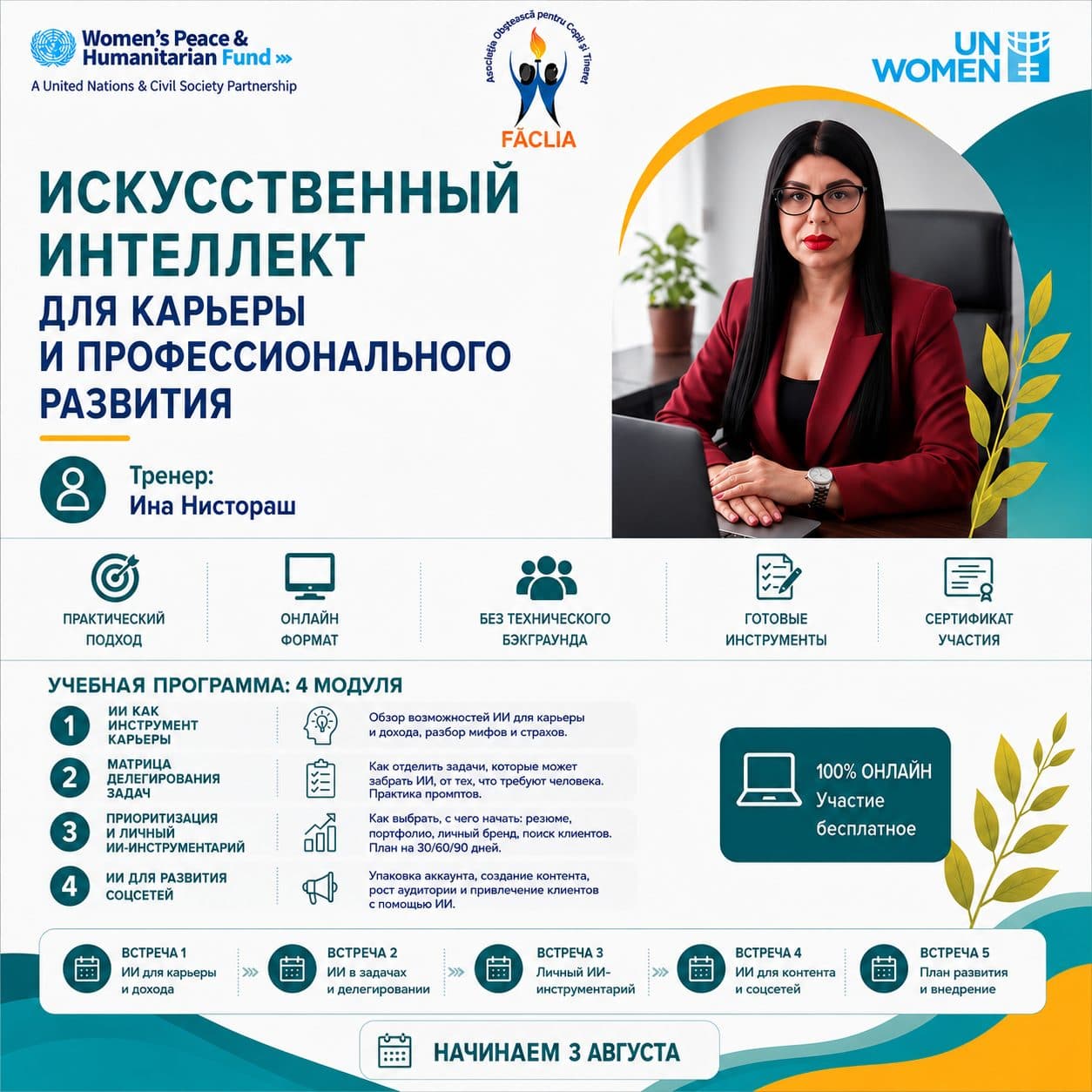
  • United Nations AI programme trainer credential, 2026

    United Nations AI Program Trainer

    2026

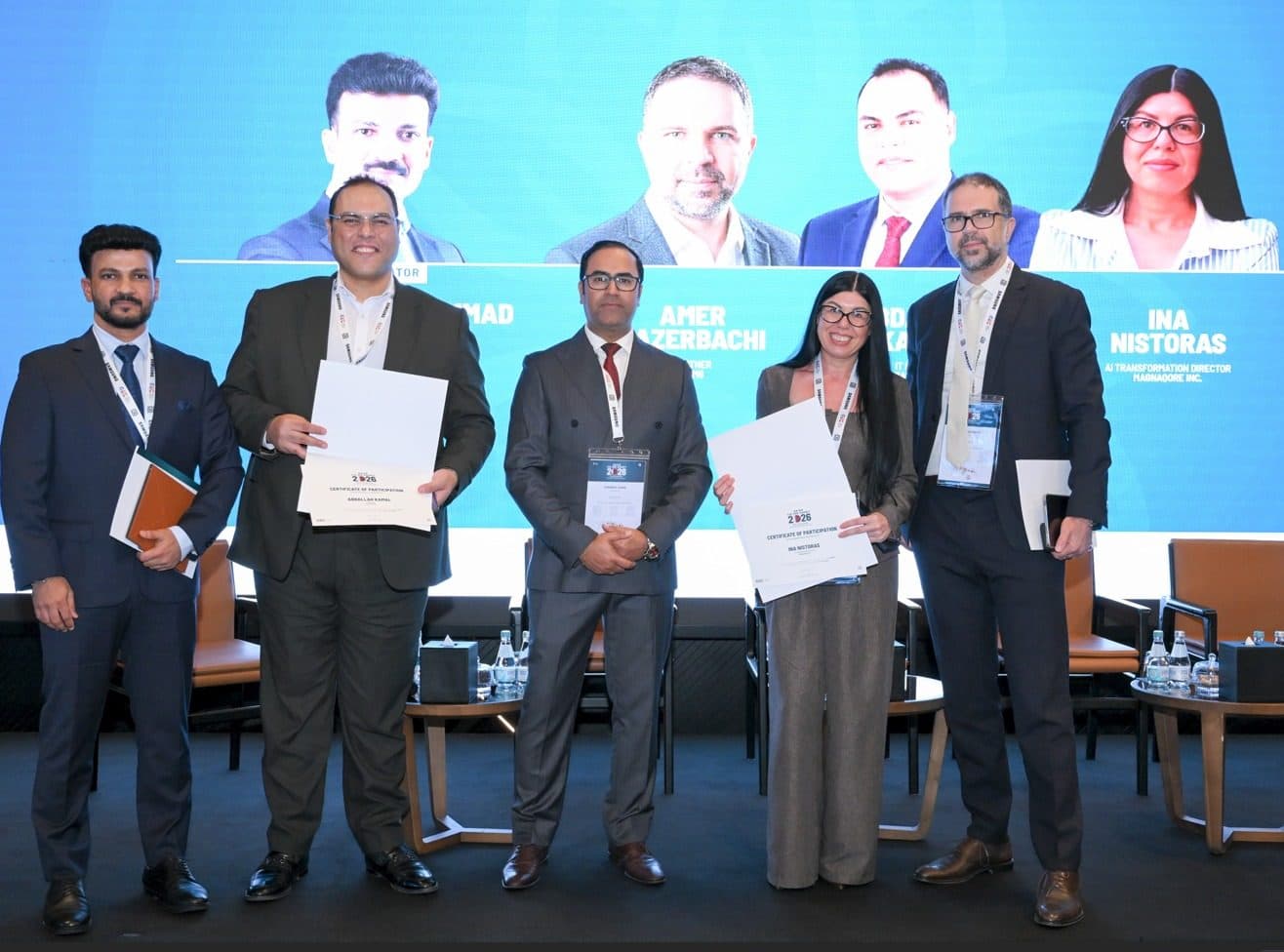
  • Speaking at the CIO Global Summit, Qatar Edition 2026

    CIO Global Summit — Qatar Edition

    Speaker, 2026

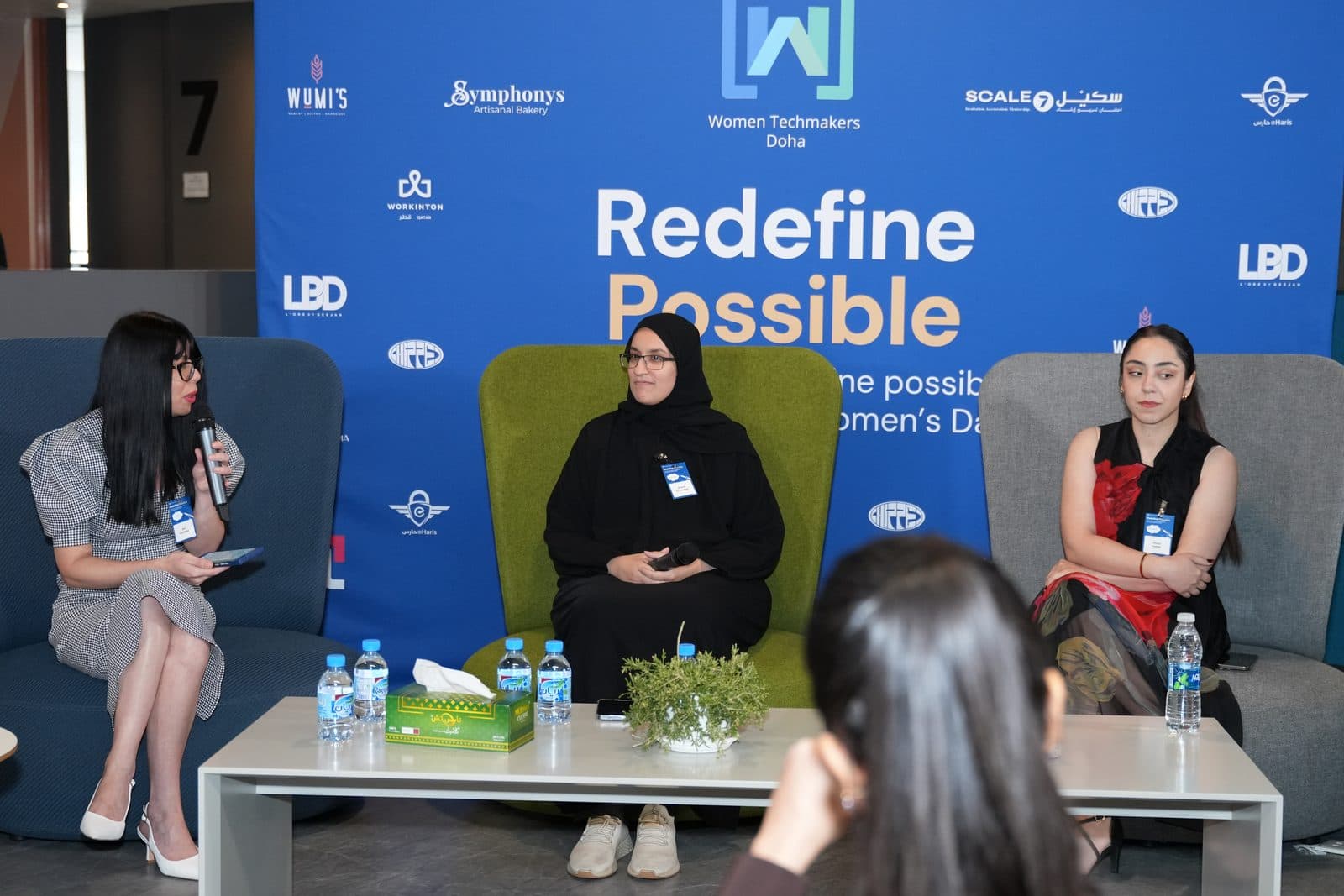
  • Moderating a panel at the Women in Tech Qatar conference, 2025

    Moderator, Women in Tech Qatar

    Conference, 2025

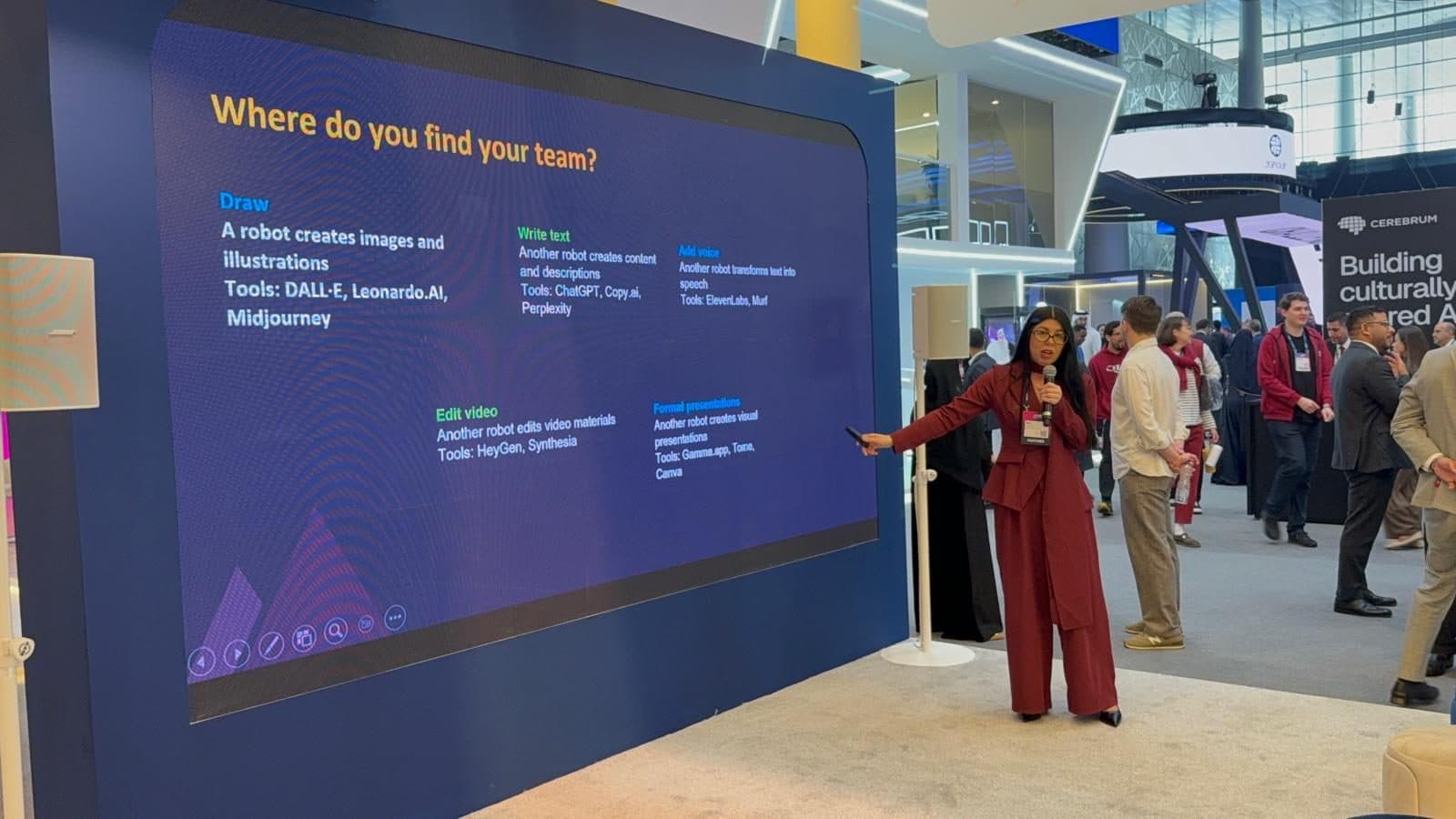
  • Delivering an AI workshop at Web Summit Qatar 2026 with Qatar Development Bank

    AI Workshop at Web Summit Qatar

    With Qatar Development Bank, 2026

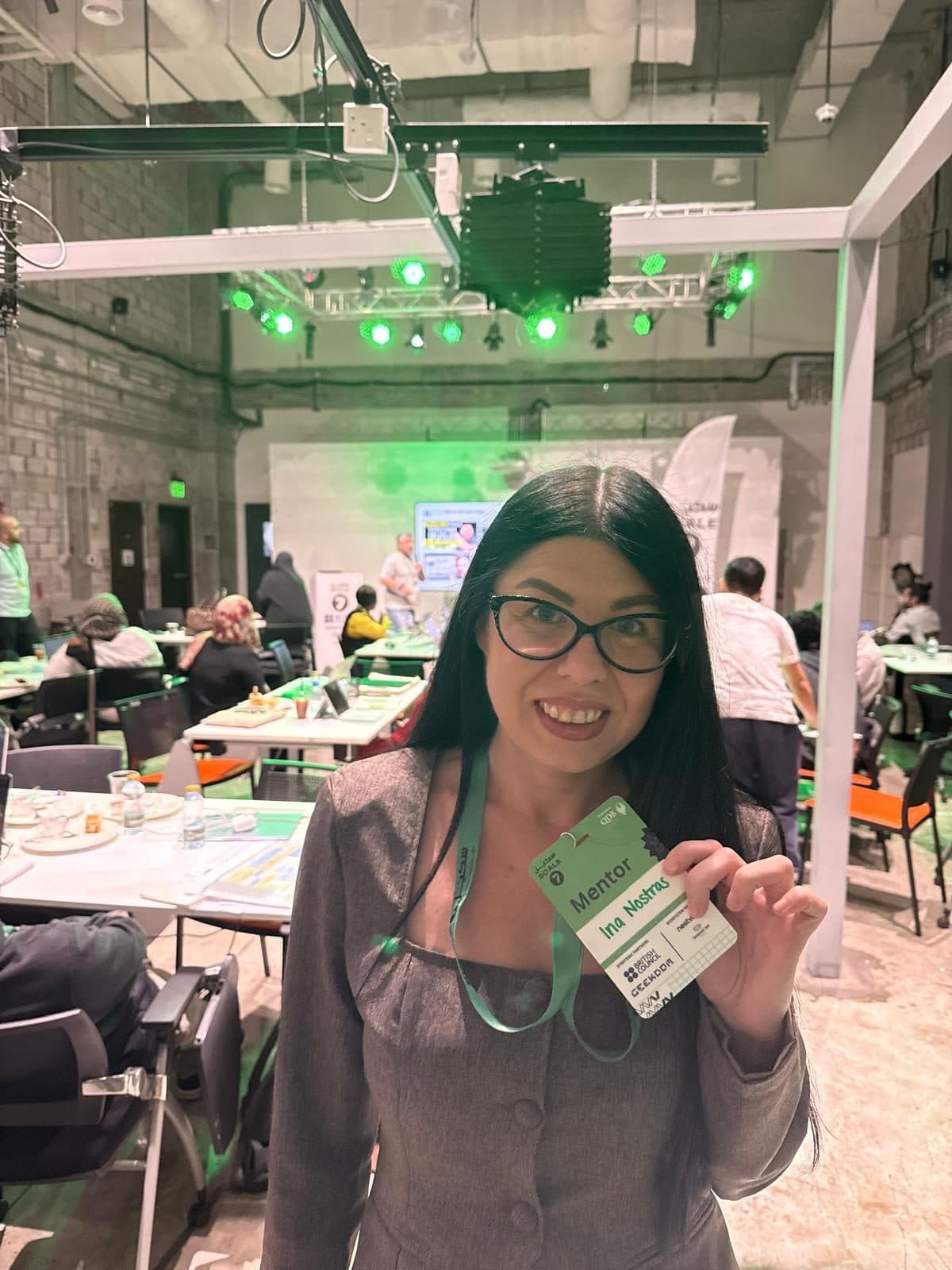
  • Mentoring at the Qatar Development Bank and Scale7 hackathon, 2026

    Hackathon Mentor — QDB & Scale7

    2026

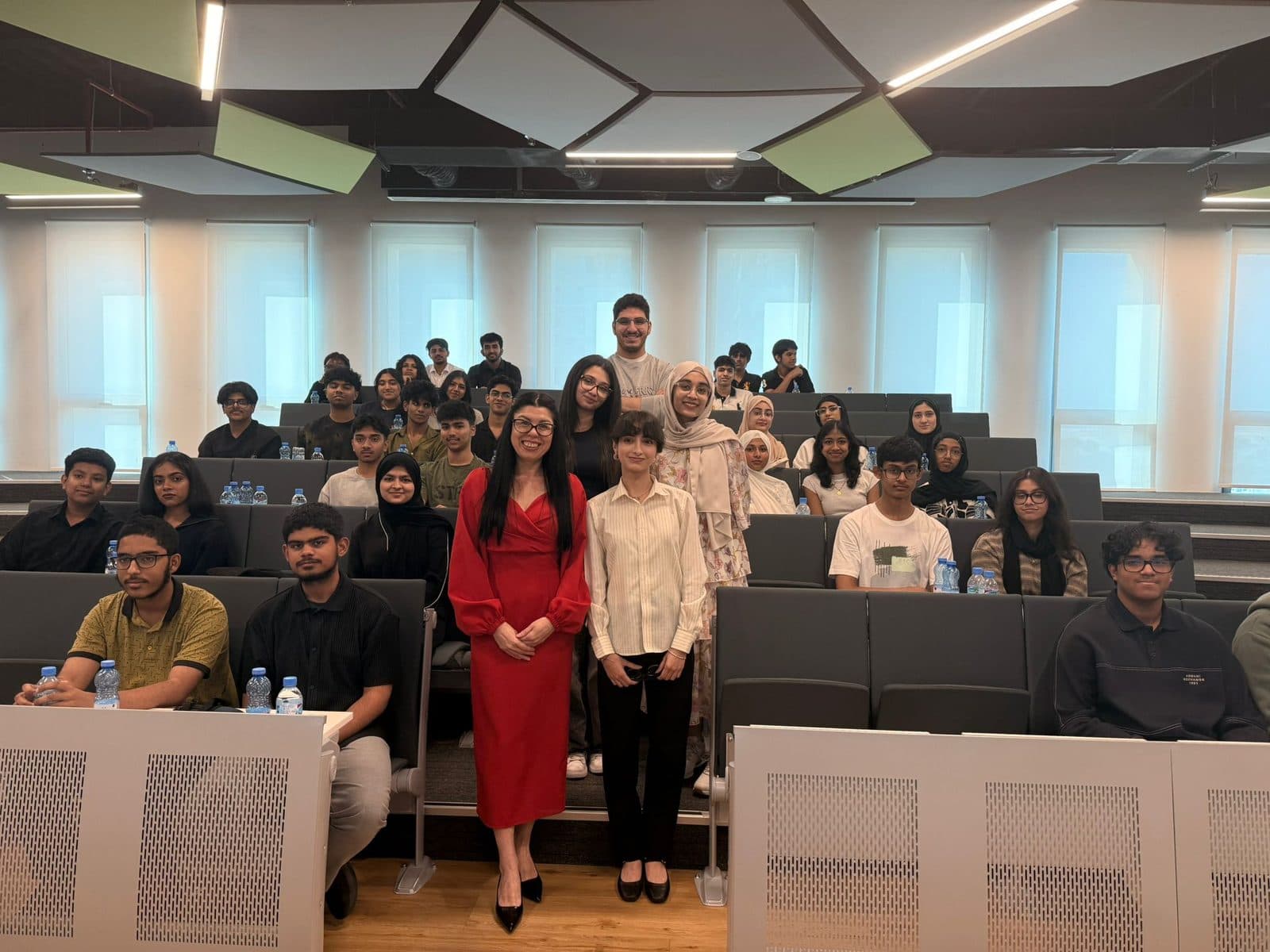
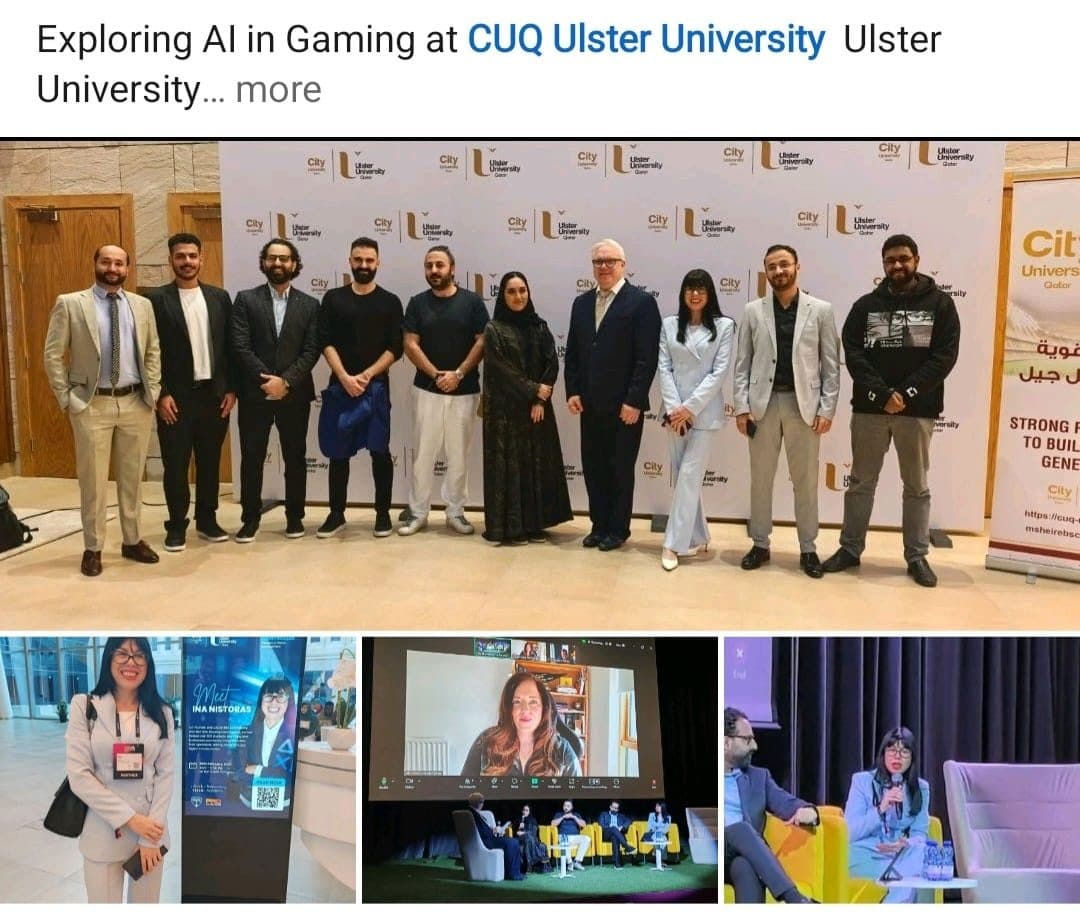
  • Delivering AI training at Ulster University

    AI Trainer at Ulster University

    Higher education

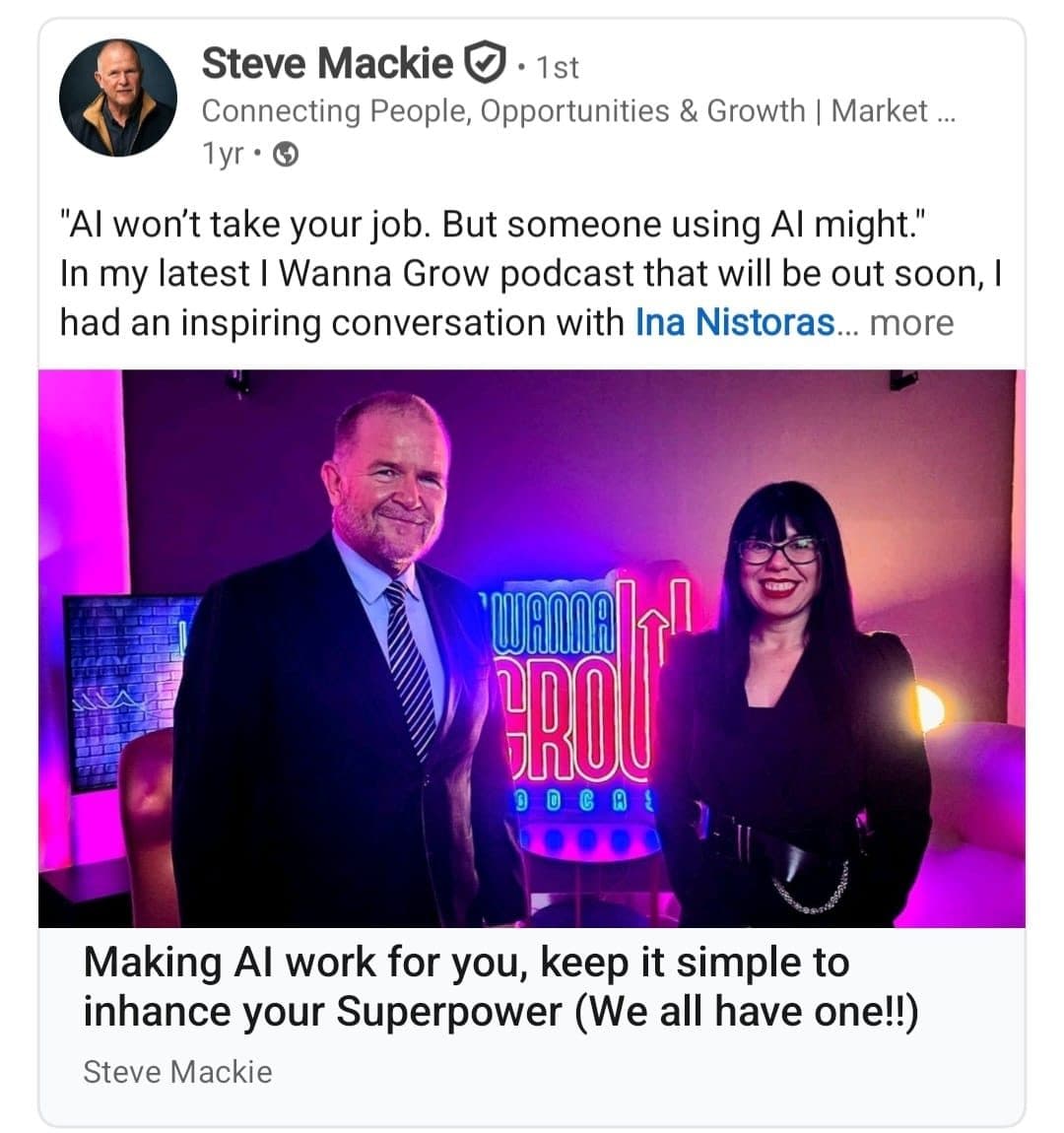
  • Guest appearance on the I Wanna Grow business podcast

    Guest, I Wanna Grow business podcast

    Podcast appearance

Contact

Ready to move beyond AI experimentation?

Build the leadership, operating model, governance, and internal capability required to become an AI-native organization. Start with an Enterprise AI Transformation Assessment.

We work with boards, CEOs, CIOs, transformation leaders, and operating teams that are ready to move from fragmented AI activity to a durable enterprise capability.